В корзине нет товаров.
Нет товаров в списке желаний.
Бесплатная доставка при заказе свыше $200
Цена включает налог
Архивы Vortex - Охотничья оптика
Архивы Vortex - Охотничья оптика
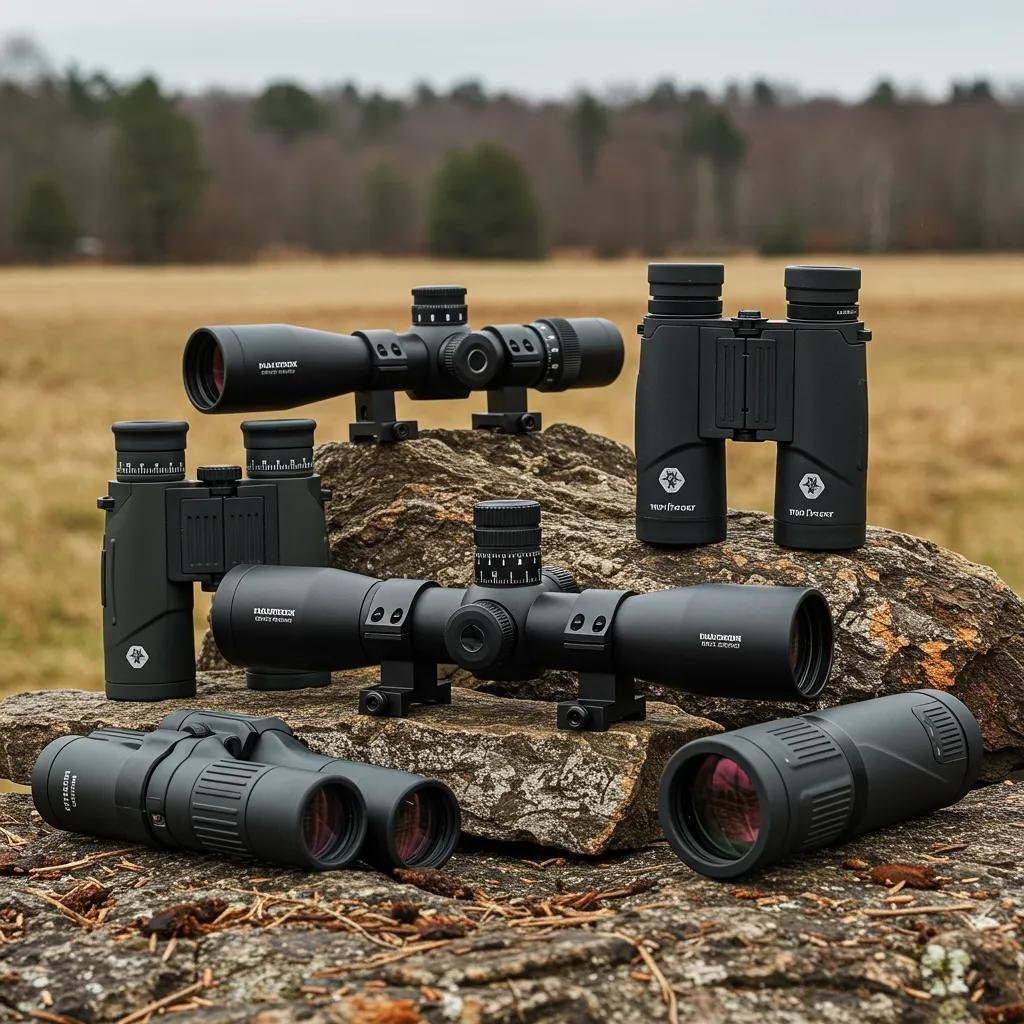
Высокопроизводительная охотничья оптика: The Ultimate Guide to Best Rifle Scopes and Firearm Optics Reviews 2025
Высокопроизводительная охотничья оптика сочетает в себе прецизионное стекло, надежную механику и реальные функции, которые помогают охотникам обнаруживать, идентифицировать и этично добывать дичь в сложных условиях освещения и рельефа. В этом руководстве расшифровываются технические характеристики, определяющие эффективность оптических прицелов в 2025 году, объясняется, как эти характеристики воплощаются в преимущества на охоте, и даются практические рекомендации по распространенным сценариям охоты, чтобы читатели могли уверенно принимать решения о покупке. Многие охотники с трудом разбирают маркетинговые заявления о стеклах, покрытиях, прицелах и долговечности; эта статья уменьшает эту сложность с помощью четких определений, рамок принятия решений и инструментов сравнения. Вы узнаете, какие оптические характеристики наиболее важны для работы на рассвете и в сумерках, как подобрать увеличение и размер объектива в соответствии с условиями охоты, а также как обслуживать оптику для надежной работы в полевых условиях. Затем в руководстве приводится сравнение оптических прицелов, красных точек, дальномеров и тепловизоров с помощью сравнительных таблиц в стиле EAV и фрагментов обзоров. Наконец, мы приводим поэтапные критерии выбора оптики для охоты на дальние дистанции и практические рекомендации по обслуживанию для сохранения точности и долговечности.
Каковы ключевые особенности высокопроизводительной охотничьей оптики?
Высокопроизводительная охотничья оптика определяется четырьмя основными принципами: оптические характеристики, механическая точность, долговечность в условиях окружающей среды и ориентированные на пользователя функции, упрощающие прицеливание и оценку дальности. Оптические характеристики - это качество стекла и покрытий, повышающих светопропускание и контрастность; механическая точность - это турели и внутренние регулировки, сохраняющие точку попадания при выстрелах; долговечность - водонепроницаемость, туманостойкость и ударопрочность; пользовательские функции, такие как дизайн прицела и подсветка, обеспечивают более быстрые и точные выстрелы. Все эти составляющие работают вместе, улучшая обнаружение, идентификацию и прицеливание в условиях недостаточной освещенности и сложной местности. Понимание этих компонентов позволяет охотникам определять приоритеты, например, вес в сравнении с размером объектива, исходя из типичного профиля охоты, и естественным образом переходит к конкретной роли качества стекла и выбора увеличения, описанного далее.
Этот контрольный список поможет определить приоритеты при покупке, прежде чем погружаться в сравнение брендов и компромиссы на уровне моделей.
- Оптическая чистота и передовые покрытия линз: Улучшенное стекло и многослойное покрытие повышают светопропускание и контрастность для идентификации на рассвете и в сумерках.
- Точная регулировка башни: Повторяющиеся, слышимые башни с постоянным значением щелчка поддерживают нулевое значение и поддерживают коррекцию удержания.
- Долговечность и герметичность: Водонепроницаемая, противотуманная и ударопрочная конструкция сохраняет работоспособность в суровых полевых условиях.
Как оптическая четкость и качество стекла влияют на производительность охоты?
Оптическая четкость - это разрешение, контрастность и точность цветопередачи стекла и покрытий прицела; она имеет значение, поскольку обнаружение и идентификация на расстоянии зависят от четких, высококонтрастных изображений. Высококачественное стекло в сочетании с многослойными антибликовыми покрытиями увеличивает светопропускание и уменьшает блики, что напрямую улучшает идентификацию цели в условиях недостаточной освещенности. Механизм прост: лучшее светопропускание повышает воспринимаемую яркость, а покрытия сохраняют контрастность, минимизируя внутренние отражения и рассеивание. При изучении спецификаций ищите ссылки на ED- или HD-стекло и технологии многослойного просветления как сокращение для обозначения улучшенных характеристик. Эти оптические преимущества снижают утомляемость наблюдателя и повышают уверенность при стрельбе в условиях плохой видимости, что повышает важность выбора соответствующего увеличения и диаметра объектива для ваших сценариев охоты.
Почему увеличение и размер объектива имеют решающее значение для охотничьих прицелов?
Увеличение определяет, насколько крупной кажется цель, и влияет на поле зрения и скорость захвата цели; размер объектива регулирует светособирающую способность и влияет на работу в условиях низкой освещенности и профиль прицела. Более низкое увеличение и меньшие объективы способствуют быстрому захвату цели в кисти или на коротких дистанциях, в то время как более высокое увеличение и большие объективы обеспечивают идентификацию и точность на больших дистанциях, но увеличивают вес и массу. Причина физическая: большие диаметры объективов собирают больше фотонов, улучшая яркость изображения при заданном увеличении, но увеличивают высоту прицела и подверженность зацепам. Практические рекомендации зависят от сценария охоты - при охоте в кустах на близких расстояниях лучше использовать 1-6× или LPVO, а при охоте на открытой местности - 3-12× и выше, в зависимости от предполагаемого расстояния поражения. Поэтому комбинируйте диапазон увеличений и размер объектива, чтобы сбалансировать видимость, вес и эргономику. Выбор правильной комбинации также создает основу для выбора прицела и крепления, о которых речь пойдет ниже.
Какие лучшие оптические прицелы для охоты появятся в 2025 году?

Если подходить к определению “лучших” прицелов кратко, то можно разделить их по назначению: лучший в целом (универсальный, надежный), лучший для точной стрельбы на дальние дистанции, лучший для работы в условиях низкой освещенности и лучший по соотношению цена/бюджет. В каждой категории приоритет отдается разным наборам характеристик: премиальное стекло и точность турели для дальних дистанций, крупные объективы и покрытия для слабого освещения, а также прочная конструкция с основными функциями для бюджетных вариантов. Ниже приведено сравнение в стиле EAV для общих категорий моделей, чтобы прояснить компромиссы между этими характеристиками и типичными ценовыми диапазонами на рынке.
| Категория модели | Ключевой атрибут | Типичное значение |
|---|---|---|
| Премиум дальнего радиуса действия | Увеличение и точность револьверной головки | От 4-16× до 5-25×; открытые башни тактического стиля |
| Охота в условиях недостаточной освещенности | Диаметр объектива и покрытия | Объективы 50-56 мм; улучшенное многослойное покрытие |
| Универсальное поле | Вес в сравнении с увеличением | 1-6× или 3-18× с весом менее 900 г. |
| Бюджет/стоимость | Долговечность и основные характеристики | Упрощенные прицельные приспособления; герметичные трубки; более дешевое стекло |
Это сравнение показывает, как выбор категории согласуется с приоритетами охотников и помогает сузить круг выбора на уровне модели.
Чем выделяются охотничьи прицелы Vortex в 2025 году?
Vortex стал синонимом линейки, ориентированной на стоимость, в которой сочетаются надежная механическая конструкция, полезные функции и доступные гарантии - эти качества особенно привлекательны для охотников, которым нужна надежная оптика без премиальных ценников. Уровни продукции бренда, как правило, охватывают бюджетные варианты до премиальных линий, в которых приоритет отдается высокопропускающим стеклам и усовершенствованным турельным системам, обеспечивающим баланс четкости и механической надежности. Гарантийные обязательства и сервисная сеть Vortex часто упоминаются в качестве практического преимущества, снижающего долгосрочные риски при выборе оптики для использования в сложных условиях. Эти сильные стороны бренда определяют сравнение с другими производителями, которые часто делают упор на различные комбинации родословной стекла, индивидуального подхода и бутиковых производственных подходов.
Как Leupold и Burris сравнивают с Vortex по производительности оптических прицелов?
Leupold и Burris исторически ориентированы на несколько иные компромиссы по сравнению с конкурентами, ориентированными на стоимость: Leupold часто делает акцент на неизменных оптических покрытиях, легких конструкциях и проверенной временем механической надежности, в то время как Burris обычно стремится к надежной оптике с конкурентоспособной ценой и практичным набором функций. По сравнению с линейками, ориентированными на стоимость, оптические характеристики каждого производителя могут незначительно отличаться: один может отдавать предпочтение нейтральности цвета, а другой - прочности или соотношению цены и функциональности. Практический смысл заключается в том, что охотники должны соизмерять чистоту стекла, точность турели и ожидания от гарантийного/сервисного обслуживания с ценой. Такой сбалансированный взгляд поможет покупателям выбрать семейство продуктов, которое лучше всего соответствует их приоритетам в полевых условиях, а не гнаться за одним “лучшим” значком.
Как выбрать подходящую оптику для охоты на дальние дистанции?
Выбор подходящей оптики для охоты на дальние дистанции начинается с принятия решения, которое увязывает расстояние охоты, предполагаемый размер дичи и типичные условия освещенности с такими оптическими характеристиками, как тип прицела, фокальная плоскость, расстояние между глазками и контроль параллакса. Механизм принятия решения заключается в выборе характеристик, которые непосредственно решают стоящую перед вами практическую задачу (например, постоянное удержание прицела при различном увеличении или контроль параллакса для точного прицеливания на 600 с лишним ярдов). Отдайте предпочтение комбинации прицельной сетки и фокальной плоскости, которая поддерживает ваш баллистический подход, и убедитесь, что уменьшение глазного дна и контроль параллакса дополняют вашу платформу винтовки и позу для стрельбы. Чтобы сделать этот выбор ощутимым, в таблице ниже приведены комбинации прицела и фокальной плоскости для рекомендуемых охотничьих дистанций и видов дичи.
| Прицел/фокальная плоскость | Атрибут | Рекомендуемое использование |
|---|---|---|
| Первая фокальная плоскость (FFP) | Удержания масштабируются с увеличением | Охотники на дальние дистанции используют удержание при различном увеличении |
| Вторая фокальная плоскость (SFP) | Размер сетчатки остается неизменным | Охотники, использующие фиксированные субтенты или маломощные дальномеры |
| Прицельная сетка по стандарту Mil | Ранжирование на основе субтеней | Точные баллистические решения и оценка дальности |
| Прицельная сетка на основе МОА | Знакомые единицы измерения дюйм/ярд | Охотники предпочитают регулировки MOA и более простую математику |
Эта матрица показывает, как сочетание типа прицела с фокальной плоскостью поддерживает определенные рабочие процессы по дистанциям и баллистике.
- Определите предполагаемые расстояния взаимодействия: Подберите диапазон увеличения для самого дальнего этического снимка, который вы планируете сделать.
- Выбор фокальной плоскости по методу прицеливания: FFP для удержания переменного увеличения, SFP для постоянного вычитания при одном увеличении.
- Проверка диапазона параллакса и калибровка башни: Убедитесь, что регулировка параллакса и калибровка турели покрывают баллистический ноль и типичные условия окружающей среды.
Следуя этому контрольному перечню, вы уменьшите количество догадок и естественным образом перейдете к практическим соображениям, касающимся уменьшения расстояния между глазами и параллакса, которые влияют на точность и безопасность.
Какие типы оптических прицелов и фокальные плоскости лучше всего подходят для стрельбы на дальние дистанции?
Для стрельбы на дальние дистанции прицелы с первой фокальной плоскостью (FFP) предлагают метки удержания, которые остаются точными во всем диапазоне увеличения, что делает их идеальными для сценариев с динамическими диапазонами, когда увеличение меняется в зависимости от дальности стрельбы и боя. Прицелы Mil-dot и Mil-based предпочтительны при использовании метрических баллистических таблиц или выходных данных лазерных дальномеров, в то время как прицелы MOA соответствуют имперским системам настройки для стрелков, предпочитающих математику минут угла. Причина, по которой FFP предпочтительнее во многих случаях охоты на дальних дистанциях, семантическая: вычитания прицела масштабируются вместе с изображением, поэтому удержания остаются верными при любом увеличении, что уменьшает необходимость умственных расчетов в полевых условиях. Тем не менее, прицелы SFP остаются популярными среди охотников, которые устанавливают нулевое значение на определенном увеличении и хотят иметь постоянную видимость прицела. Выбор правильного прицела также зависит от личного опыта и от того, будут ли использоваться внешние баллистические калькуляторы в полевых условиях.
Насколько важны в оптике для дальнобойных дистанций уменьшение расстояния между глазами и регулировка параллакса?
От расстояния между глазками напрямую зависит безопасность и точность стрельбы, особенно на платформах с высокой отдачей. Рекомендуемый практический диапазон обычно составляет от 3,5 до 4 дюймов для многих центрострельных винтовок, хотя конкретные значения зависят от платформы и конструкции прицела. Регулировка параллакса устраняет рассогласование фокуса изображения между прицелом и плоскостью мишени, что очень важно для точных выстрелов на дальние расстояния, где даже небольшие ошибки прицеливания приводят к значительным смещениям точки попадания. Механизм прост: ошибка параллакса приводит к заметному смещению прицела относительно цели при изменении положения глаз стрелка, а коррекция параллакса центрирует оптические плоскости, уменьшая эту ошибку. Чтобы настроить параллакс, настраивайте его до тех пор, пока цель и прицел не останутся неподвижными при небольшом движении головы; этот процесс сохраняет точность и должен быть проверен при обнулении и на типичных дистанциях стрельбы. Правильное внимание к этим настройкам предотвращает неожиданности во время реальной охоты и учитывается при установке и обслуживании.
Каковы лучшие обзоры и сравнения оптики для огнестрельного оружия в 2025 году?
В этом разделе собраны данные о том, как различные типы оптики работают на охоте - винтовки, прицелы с красной точкой, ПНВ, дальномеры и тепловизоры - с указанием сильных сторон, типичных ограничений и наилучших сценариев использования. Цель состоит в том, чтобы сделать явными компромиссы между категориями, чтобы охотники могли выбрать комбинации, которые дополняют их методы и платформу. Ниже приведена таблица в стиле EAV, в которой сравниваются типы оптики для типичных случаев использования на охоте.
| Тип оптики | Основной атрибут | Best-For |
|---|---|---|
| Оптический прицел (переменный) | Точность и диапазон увеличения | Дальняя и точная охота |
| LPVO / Низкое энергопотребление | Скорость и переменный зум для близкого и среднего расстояния | Универсальные охотничьи наборы для охоты в средней полосе |
| Прицел с красной точкой | Быстрое наведение на цель, отсутствие параллакса на коротких дистанциях | Дробовик, ближний бой, быстрые последующие действия |
| Дальномер | Точность измерения расстояния | Этическое подтверждение дальности для длинных снимков |
| Тепловизор | Обнаружение в помехах/при плохой видимости | Ночная охота и обнаружение над листвой |
Эта таблица поясняет, в чем преимущества каждого типа оптики и как комбинации (например, красная точка плюс дальномер) создают дополнительные возможности.
Какие прицелы и дальномеры Red Dot лучше всего подходят для охоты?
Прицелы с красной точкой превосходны в ситуациях быстрого захвата, поскольку они представляют собой подсвеченную точку прицеливания, совпадающую с плоскостью цели, без усложнения увеличения. Эффективные охотничьи красные точки балансируют между временем автономной работы, четкостью точки и прочностью при минимальном весе. Дальномеры предоставляют критически важные данные о расстоянии, которые преобразуются в этические поправки на удержание или турель; точность и эффективная дальность зависят от качества оптики и алгоритмов определения дальности. Многие охотники рекомендуют использовать в паре с компактным дальномером компактный дальномер для мгновенного подтверждения расстояния на средних дистанциях - такое сочетание снижает когнитивную нагрузку в момент выстрела. Практический компромисс заключается в выборе дальномера с надежными показаниями в условиях беспорядка и красной точки с прочной, водостойкой конструкцией, способной выдержать полевые условия.
Как тепловизоры и оптические приборы ночного видения улучшают охоту?
Тепловидение обнаруживает тепловые сигнатуры, а не полагается на окружающий свет, что позволяет обнаруживать животных за растительностью или в условиях плохой видимости; ночное видение усиливает доступный свет для создания пригодных для использования изображений при свете звезд или луны. К преимуществам тепловизионных датчиков относятся обнаружение на расстоянии через помехи и постоянная работа в полной темноте, в то время как ночное видение обеспечивает более детальные визуальные характеристики в условиях низкой освещенности. Разрешение сенсора, частота обновления и обработка изображения определяют полезную дальность обнаружения и идентификации - более высокое разрешение увеличивает дальность идентификации, но также повышает стоимость и энергопотребление. Охотникам также следует учитывать правовые и этические нормы, регулирующие использование ночных устройств в своей юрисдикции, и интегрировать средства обнаружения в ответственную практику охоты. Эти технологии меняют способы обнаружения целей, но для их ответственного использования требуется обучение и понимание ситуации.
Как обслуживать и ухаживать за высокопроизводительной охотничьей оптикой?
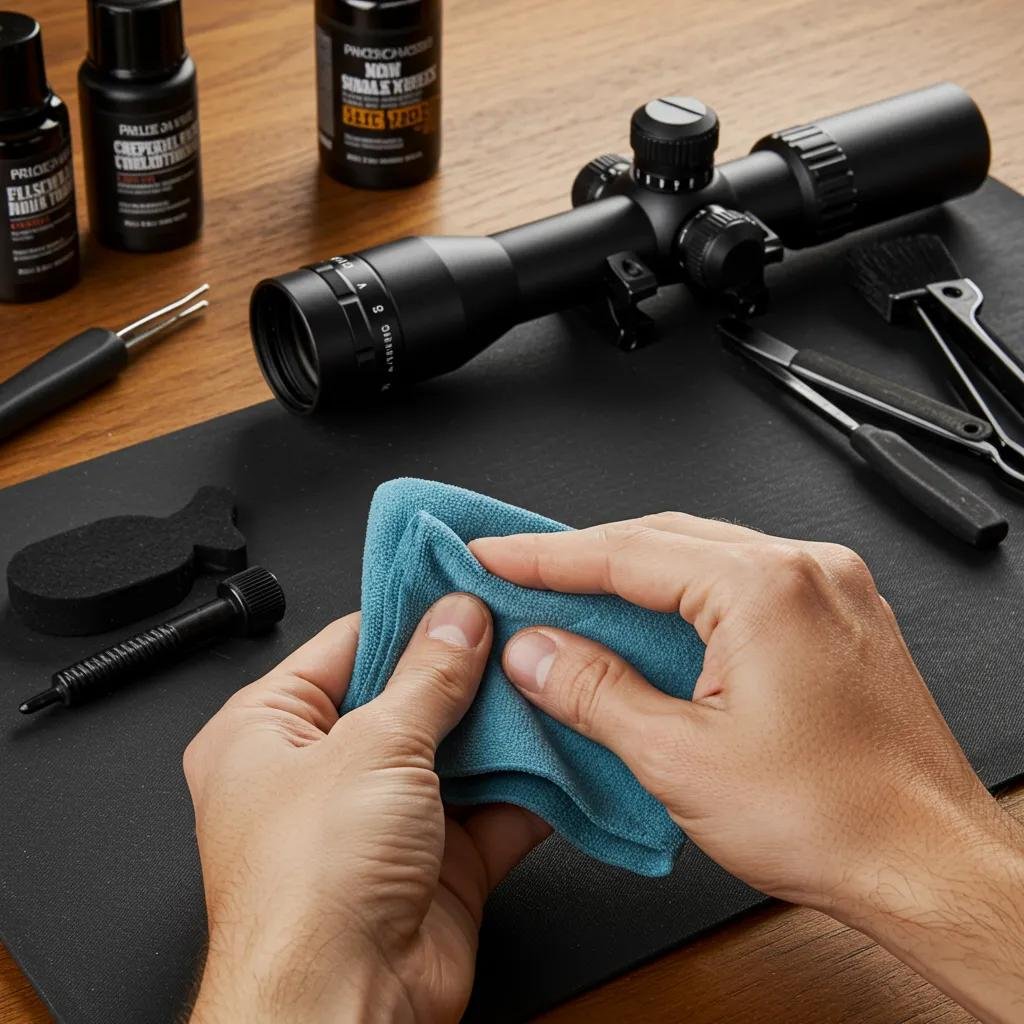
Правильный уход сохраняет четкость оптики, механические функции и водонепроницаемость, продлевая срок службы охотничьей оптики и поддерживая точность. При очистке следует отдавать предпочтение неабразивным инструментам и соблюдать правильную последовательность: удалять пыль с помощью воздуходувки, удалять твердые частицы мягкой щеткой и завершать очистку салфеткой из микрофибры и небольшим количеством средства для очистки линз, предназначенного для оптики с покрытием. Защитные меры включают в себя мягкие футляры, крышки для объективов и использование чехлов при транспортировке для предотвращения ударов и царапин. Регулярные проверки момента затяжки крепления, центровки колец и работы револьверной головки предотвращают механический дрейф и снижают вероятность потери нуля. Эти методы уменьшают количество отказов в полевых условиях и сохраняют работоспособность в течение нескольких сезонов. В следующих подразделах мы рассмотрим конкретные шаги по очистке и рекомендации по установке.
- Ежедневный уход в полевых условиях: Используйте крышку объектива и быстро очищайте его от микропыли между стеблями.
- Периодическая глубокая чистка: Воздуходувка, мягкая щетка и одобренный раствор для линз ежемесячно или после сильного воздействия.
- Хранение: При длительном хранении вынимайте батареи, используйте влагопоглощающие пакеты в чехлах и храните в сухом прохладном месте.
Эти шаги образуют практическую процедуру, которая сохраняет оптическую и механическую целостность.
Как лучше всего чистить и защищать оптические прицелы?
Очистка начинается с удаления песка с помощью воздуходувки, а затем мягкой щетки; это предотвратит появление царапин при последующем протирании поверхностей. Для очистки линз нанесите рекомендованный производителем раствор и протрите их безворсовой салфеткой из микрофибры мягкими круговыми движениями - избегайте бытовых чистящих средств и салфеток, содержащих абразивные вещества или химикаты. Защищайте оптику с помощью крышек для объективов, мягких футляров и неопреновых чехлов при транспортировке и охоте в сырых или снежных условиях; эти аксессуары предотвращают повреждения от ударов и уменьшают воздействие загрязняющих веществ. В полевых условиях используйте наборы для быстрой чистки, в которых приоритетом является безопасное удаление пыли и минимальное количество жидкости, чтобы избежать попадания через уплотнения. Эти защитные привычки сохраняют покрытия и механические уплотнения, которые необходимы для долговременной работы и надежности оптики.
Как правильное крепление влияет на производительность и долговечность оптики?
Правильное крепление выравнивает оптику по оси ствола и предохраняет ее от смещения под действием отдачи, что необходимо для обеспечения воспроизводимой точности и предотвращения механических повреждений. Используйте расстояние между кольцами и выбор основания, соответствующие трубке прицела и платформе винтовки, и применяйте моменты затяжки, рекомендованные производителем крепления, чтобы избежать чрезмерной или недостаточной затяжки; неправильный момент может деформировать трубку или соскользнуть под действием отдачи. Проверка включает в себя визирование по отверстию, подтверждение уменьшения расстояния между глазами и положения головы, а также подтверждение стрельбы боевыми патронами для проверки нуля и повторяемости. Регулярные повторные проверки после сильной отдачи или транспортировки обеспечивают надежность креплений. Правильные методы крепления сохраняют калибровку башни, защищают оптику от механических воздействий и поддерживают постоянство точки попадания.
Какие новые технологии определяют будущее охотничьей оптики?
Новые технологии основаны на трех сходящихся тенденциях: интеллектуальные возможности подключения и бортовая баллистическая помощь, постепенное совершенствование стеклянных покрытий, улучшающих светопропускание, и гибридные оптико-тепловые системы, интегрирующие обнаружение с традиционной оптикой. Интеллектуальные функции позволяют сохранять баллистические профили, интегрировать внешние датчики и обмениваться данными, меняя способы подготовки охотников к выстрелам на разных дистанциях. Усовершенствованные покрытия повышают контрастность и снижают уровень рассеянного света, что приводит к ощутимому улучшению идентификации цели в условиях низкой освещенности без значительного снижения веса. Гибридные датчики и улучшенные тепловые сердечники расширяют возможности обнаружения, но при этом стремятся сохранить компактность и энергоэффективность. Эти тенденции в совокупности меняют рабочий процесс охотника в сторону принятия решений на основе данных, а также заставляют задуматься об управлении батареей и надежности устройства.
Как интеллектуальные функции и возможности подключения улучшают оптику для огнестрельного оружия?
Интеллектуальные функции обеспечивают баллистические калькуляторы, алгоритмы удержания дальности и хранения профилей, которые ускоряют оценку дальности и принятие решений о прицеливании, особенно в паре с данными от лазерных дальномеров или датчиков окружающей среды. Механизм действия семантический: оптика становится платформой, которая обрабатывает входные данные (дальность, угол, ветер) и выдает предлагаемые точки прицеливания, снижая когнитивную нагрузку на стрелка. К преимуществам можно отнести более быстрое и стабильное удержание цели, а также возможность сохранения пользовательских профилей для конкретных боеприпасов и винтовок. К недостаткам можно отнести повышенную зависимость от батареи и большую сложность устройства, что требует планирования управления питанием и резервирования в полевых условиях. Эти технологии наиболее полезны в ситуациях, когда быстрые баллистические расчеты улучшают этический выбор выстрела на больших расстояниях.
Разработка "умных" аксессуаров для винтовки: Повышение удобства использования с помощью современных технологий
АБСТРАКТ: Винтовка - один из старейших промышленных продуктов, для которого существует целая область разработки аксессуаров, начиная с оптических прицелов более века назад, призванных улучшить возможности и опыт пользователя. По мере развития технологий совершенствовались и аксессуары для винтовок, и сами винтовки. Постепенное совершенствование привело к созданию более надежных, точных и легких изделий. Данная диссертация, выполненная по заказу финского производителя винтовок Sako, призвана расширить их представление о будущем винтовок, аксессуаров к ним и их совместимости.
Цель диссертации - предоставить читателю базовые знания о винтовках, аксессуарах к ним и интеграции новых технологий для улучшения пользовательского опыта. Это достигается за счет обзора существующих аксессуаров для винтовок, знакомства с новыми технологическими тенденциями в разработке продуктов, такими как устройства IoT и принципы их работы, а также изучения того, как другие предприятия...
Разработка интеллектуальных аксессуаров для винтовок, 2024 г.
Каковы последние достижения в области покрытий для стекол и дизайна оптических прицелов?
Последние инновации в области покрытий сосредоточены на многослойной антибликовой обработке и элементах фазовой коррекции, которые совместно увеличивают светопропускание, улучшают резкость от края до края и сохраняют контрастность при слабом освещении. Технический результат - более четкое изображение с меньшим количеством бликов и более высокой воспринимаемой яркостью, что способствует обнаружению и идентификации. Тенденции в дизайне сетчаток включают в себя тонкие метки дальности, системы подсветки, настроенные на контрастность при слабом освещении, и гибридные шаблоны, сочетающие в себе стадию удержания и простые сигналы BDC. Все эти постепенные усовершенствования позволяют создать оптику, обеспечивающую значимые преимущества в полевых условиях - лучшую идентификацию в сумерках, более быстрое определение дальности и более полезную информацию о прицеле - без кардинального изменения способа прицеливания, но за счет улучшения качества визуальных и информационных данных.
Охотникам, готовым перейти от исследования к покупке, стоит обратить внимание на высокопроизводительную оптику от авторитетных производителей, которые уделяют особое внимание качеству стекла, точности револьверной головки и надежности сервисного обслуживания. Отдавайте предпочтение моделям, которые соответствуют схеме принятия решения, изложенной ранее: выбирайте комбинации прицела и фокальной плоскости для ваших типичных дистанций поражения, подтвердите совместимость с вашей винтовкой по параллаксу и расстоянию между глазками, а также обеспечьте гарантийное и сервисное обслуживание для долгосрочного владения. Ответственная покупка приведет к лучшим результатам в полевых условиях и стабильной работе в течение нескольких сезонов.